Access restrictions and narrow street removals in Lambeth
Posted on 26/06/2026
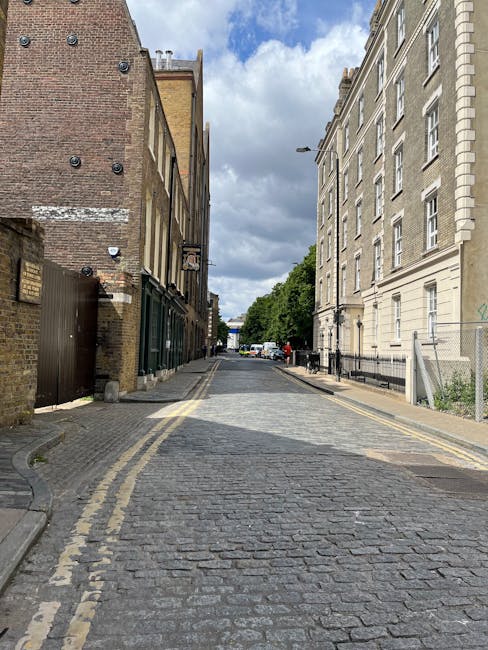
Moving home or relocating a business in Lambeth can feel straightforward on paper, then suddenly turn awkward the moment you see the street. Tight bends, parked cars, basement entrances, stair-only blocks, low bridges, loading constraints, and no obvious place to stop the van - it all adds up. That is exactly why access restrictions and narrow street removals in Lambeth need a different kind of planning.
This guide breaks down what actually causes access problems, how a narrow-street move is handled in real life, and what you can do to keep things calm on the day. If you are comparing removal options, sorting out a flat move, or trying to avoid one of those classic "we'll just park nearby" surprises, you are in the right place. And yes, a lot of the stress can be reduced with decent prep. Not all of it, but a lot.
Why access restrictions and narrow street removals in Lambeth matters
Lambeth is full of streets that were never designed with modern removal vans in mind. That is not a criticism - it is just the reality of moving around older London housing, terraced roads, converted flats, mansion blocks, and busy mixed-use streets. In practical terms, access issues affect timing, safety, costs, and how much handling your belongings need.
When the vehicle cannot park close to the entrance, the job changes. Movers may need to carry boxes further, use smaller vehicles, work around stairs, or split the load. On a quiet morning, that may be manageable. On a Friday with traffic humming and delivery bays already taken? Different story.
This matters for both household and commercial moves. A family moving from a top-floor flat will care about stair count and lift access. A small office near a busy junction will care about loading space, traffic flow, and keeping disruption low. Either way, poor access planning usually leads to the same result: delays and extra effort. A bit annoying, to be fair, but usually avoidable.
If you are moving from a property with awkward access, it helps to understand the wider context of the area too. Posts like whether Lambeth is a nice place to live and the Lambeth real estate buying guide give useful background on the local housing mix, while selling a home in Lambeth is handy if your move is tied to a sale.
How access restrictions and narrow street removals in Lambeth works
In simple terms, a narrow-street move is planned around the limitations of the property, the road, and the vehicle. The aim is to reduce wasted movement, keep items safe, and avoid a van getting boxed in by parked cars or tight kerbs. That sounds basic, but it is the difference between a controlled move and a scramble.
Typically, the process starts with access details. You may be asked about:
- floor level and lift availability
- distance from the front door to the vehicle
- street width and turning space
- parking or loading restrictions
- stairs, split levels, or awkward landings
- large or fragile items that need special handling
From there, the move is matched to the right method. In some cases, a smaller vehicle is better because it can reach closer to the property. In others, a larger vehicle with a shuttle approach works better, where items are transferred from the property to the main van in stages. That second step is sometimes overlooked. It can be the saving grace on a tight street.
For example, a ground-floor flat on a narrow road may still be awkward if the only stopping place is around the corner. A first-floor flat with a lift may actually be easier than a ground-floor maisonette with no kerb space. Access is not just about the building. It is the whole route from the van to the front door.
If your move involves a smaller team or a more flexible vehicle, you may want to look at man and van in Lambeth, man with van in Lambeth, or the broader removal services in Lambeth overview. These pages can help you compare what kind of support makes sense for a difficult access job.
Key benefits and practical advantages
Good access planning is not glamorous, but it pays off. Quite directly, it gives you a move that feels more controlled, less rushed, and far less likely to spiral into extra costs or damaged items. That is the main benefit, and it is a big one.
- Less carrying distance: fewer trips and lower handling strain.
- Faster turnaround: the team spends less time wrestling with logistics.
- Better item protection: fewer hand-to-hand transfers and fewer chances for knocks.
- Smarter vehicle choice: the right van can often make a surprisingly large difference.
- Lower risk of disruption: neighbours, traffic, and building rules are easier to manage.
There is also a less obvious advantage: better planning usually reduces stress for you. When you know where the vehicle is going to sit, how the staircase will be managed, and which boxes should come off first, the day feels more predictable. That calm matters. Moving day already has enough drama without inventing extra.
For flats especially, the difference can be huge. See also flat removals in Lambeth and the more specific advice in Acre Lane flats removals advice for stairs and lifts in SW2. Those pages are useful if your move involves stairs, lifts, shared entrances, or a building manager watching the clock.
Who this is for and when it makes sense
This approach makes sense for anyone moving in or out of a property where access is not easy. In Lambeth, that covers more people than you might think.
- Residents on narrow residential streets with heavy parking pressure
- People in converted flats, maisonettes, and older mansion blocks
- Students moving with limited furniture but awkward access
- Small offices shifting equipment from busy commercial roads
- Households with large items such as wardrobes, sofas, or pianos
- Anyone needing a same-day move with little room for delay
It also makes sense if your building has rules about bookings, loading times, or lift use. Even a simple move can become fiddly if the concierge says the lift is reserved for another job or the parking bay is already taken. Happens more often than people expect.
If that sounds like you, it may be worth reading student removals in Lambeth for smaller-scale moves, house removals in Lambeth for larger family moves, or office removals in Lambeth if the job is business-related.
Step-by-step guidance
Here is the practical way to approach an access-restricted removal without making a meal of it.
- Measure the real route. Not just the front door and the van. Measure the doorways, hallways, stairs, corners, and the path to where the vehicle can actually stop.
- Check road constraints. Look at road width, one-way sections, parking pressure, loading space, and whether the van can safely pause near the property.
- Identify the awkward items early. Sofas, mattresses, mirrors, beds, white goods, and pianos often create the biggest access headaches.
- Decide whether smaller is better. A compact van may outperform a larger one if the street is tight or turning room is limited.
- Sort packing by load order. Essentials and fragile items should be accessible first, not buried in the back under heavy boxes.
- Book timing carefully. Early starts are often easier on narrow roads because parking and traffic are usually less chaotic.
- Keep the building informed. If you need lift access or a loading slot, confirm the details before the day arrives.
- Prepare for a fallback plan. If the van cannot stop exactly outside, know the nearest practical alternative.
A tiny bit of preparation saves a lot of lifting later. Honestly, it is often the difference between a move that feels tidy and one that feels like a minor hostage negotiation with a wardrobe.
If you are still deciding what size of help you need, man and a van in Lambeth and removal van in Lambeth are useful starting points. They help you think about vehicle fit and job scale before you lock anything in.
Expert tips for better results
The biggest gains usually come from small decisions made early. Nothing flashy. Just sensible, boring, effective planning.
- Do a daytime walk-through. Streets can look very different in the evening. Morning sunlight shows where parked cars, bins, and tight corners actually are.
- Photograph the access route. A few photos of the front door, street, and stairwell can make a surprisingly useful briefing.
- Label heavy boxes clearly. If a box contains books or kitchen crockery, say so. That helps the team stack and carry it properly.
- Keep the first-load items separate. Kettle, chargers, documents, toiletries, and basic tools should not disappear into the removal van maze.
- Think in stages. Narrow access jobs often work best when the move is broken down into smaller, deliberate transfers.
- Protect common areas. In flats and shared buildings, a bit of care with corners, door frames, and lifts goes a long way.
One of the most useful habits, in our experience, is simply telling the truth about the access. If it is awkward, say it is awkward. If the lift is tiny, say it is tiny. Nobody benefits from guessing wrong. That sounds obvious, but people do it all the time.
You may also find packing and boxes in Lambeth helpful if the job needs a more disciplined packing setup, and furniture removals in Lambeth if you are dealing with large pieces that need extra care through tight hallways.
![A street scene in Lambeth featuring a row of terraced houses with brick and white-painted facades, each with small front gardens or balconies enclosed by black iron railings. Several plants and potted flowers are visible on the balconies. The pavement is cobbled, and a narrow road runs along the front of the houses. On the left side of the image, a black outdoor staircase with metal steps and a railing leads to an upper floor of one of the buildings. The street appears quiet with no people in view, and the lighting suggests early morning or late afternoon. This setting is typical for house transfers and relocation services, with the narrow street and residential architecture reflecting the challenges of furniture transport and home removals in confined urban areas, which [COMPANY_NAME] handles with care.](/pub/blogphoto/access-restrictions-and-narrow-street-removals-in-lambeth2.jpg)
Common mistakes to avoid
Most access-related moving problems are not mysterious. They are predictable, which is a little frustrating because it means they can usually be avoided.
- Assuming the van can park right outside. In Lambeth, that is often the first wrong assumption.
- Ignoring stair width and turn space. A sofa that fits on paper may still snag on a landing.
- Leaving access details until moving day. That is how delays, awkward reshuffling, and grumpy faces happen.
- Booking the wrong vehicle size. Too small means too many trips; too large means you may not reach the property.
- Forgetting to check building rules. Lift bookings, delivery times, and permit-style restrictions can trip you up.
- Overpacking boxes. Heavy boxes are harder to carry safely through narrow spaces. It is basic, but people still load them like bricks.
Another common one: people forget that the road outside their home is part of the job. If there is double parking, school-run traffic, or a bus route that never quite seems to be quiet, the move needs a more careful slot. Simple enough, but easy to miss.
For more on pricing and planning pitfalls, avoid hidden removals fees in Lambeth and man and van booking mistakes most customers make in Lambeth are both worth a look.
Tools, resources and recommendations
You do not need a giant toolkit to manage a narrow-street move, but a few practical items make life easier. Nothing fancy. The kind of things you wish you had to hand when the tape dispenser vanishes under a pile of boxes.
- Measuring tape: for doorways, stair corners, furniture dimensions, and vehicle clearance.
- Furniture blankets and covers: helpful on tight turns and for protecting finishes.
- Good labels: clear room labels reduce confusion when unloading in a cramped building.
- Trolley or sack truck: useful where access allows safe wheeling for part of the route.
- Phone photos: a quick visual record of access points can be surprisingly valuable.
- Local building notes: any instructions from the landlord, concierge, or managing agent should be kept close at hand.
On the service side, it can help to review services overview, removals in Lambeth, and removal companies in Lambeth if you want to compare support levels. If storage is part of the picture because access or timing is awkward, storage in Lambeth can also be useful in a staged move.
Law, compliance, standards, and best practice
Access-restricted removals sit inside a wider set of practical responsibilities. You do not need to turn into a transport lawyer, but you do need to respect the usual rules around parking, road use, building access, and safety. That means checking what is permitted on the street, following any building instructions, and making sure the move is carried out without creating hazards for residents or passers-by.
Best practice normally includes:
- not blocking emergency access
- keeping walkways clear where possible
- protecting common areas and shared lifts
- using appropriate manual handling techniques
- planning for safe load transfer on narrow roads
For a removals company, good process matters too. That usually means sensible risk assessment, clear communication, and enough flexibility to adapt if the road is tighter than expected. If you are comparing providers, it is fair to ask how they handle access challenges, what happens if parking changes, and whether they have experience with difficult city-centre or residential streets.
Useful trust signals include health and safety policy, insurance and safety, accessibility statement, and terms and conditions. Those pages are not just formalities; they give you a better sense of how carefully a company works. That matters when the stairwell is narrow and the corners are unforgiving.
Options, methods, and comparison table
There is no single best way to manage a narrow street move. The right method depends on the property, the volume, and how much access the vehicle can realistically get.
| Method | Best for | Strengths | Limitations |
|---|---|---|---|
| Small van / compact vehicle | Very tight streets, limited turning space, lighter loads | Easier parking, better reach, less street conflict | May require more trips |
| Standard removal van | Most domestic moves with moderate access | Good balance of capacity and efficiency | Can struggle on very tight roads |
| Shuttle loading | Restricted streets where a full-size van cannot sit close | Reduces risk of blocking and keeps the main van parked safely | More handling and more time |
| Timed building access | Flats, managed blocks, and office buildings | Works well with lift bookings and controlled entry | Less flexible if the schedule slips |
| Storage-first move | When access, timing, or keys create a gap | Reduces pressure on the day and keeps possessions secure | Extra stage to manage |
In real life, many Lambeth moves use a mix of methods. That is normal. A small van may get the items close to the building, then a larger van takes the main load later. Or the move starts with storage and finishes once keys and access are settled. The point is not to be rigid. It is to be smart.
Case study or real-world example
Here is a realistic example based on the kind of move people often face. A couple leaving a top-floor flat on a narrow Lambeth street had a sofa, a bed frame, a dining table, and a few dozen boxes. On paper, it sounded easy enough. In person, the street was lined with parked cars, the entrance had a tight hallway, and the stairwell took a sharp turn halfway up.
The plan changed quickly. Instead of trying to force a large van into a bad parking spot, the move was broken into smaller loads. Fragile boxes were loaded first, the bulky furniture was assessed before lifting, and the team used the nearest safe stopping point rather than pretending the van could squeeze into a space it clearly could not. Not glamorous, but effective.
What made the difference? Three things: accurate access details, the right size of vehicle, and a calm approach when the street turned out to be tighter than expected. No drama, no heroic improvising. Just decent planning. And that is usually how the smooth jobs go, even if nobody writes songs about them.
If your move feels similar, you may also want to consider same-day removals in Lambeth if timing is tight, or same-day removals in Lambeth delays, common problems and fixes if you want to understand what tends to go wrong under pressure.
Practical checklist
Use this before moving day. It is short on purpose.
- Confirm the exact address and entrance used for loading
- Measure stair widths, doorways, and tight corners
- Check whether a lift is available and book it if needed
- Identify where the van can legally and safely stop
- Tell the removals team about large, heavy, or fragile items
- Label boxes by room and priority
- Keep essentials in a separate, easy-to-reach bag
- Share building rules, access codes, or booking times in advance
- Plan for a fallback parking or unloading point
- Ask what happens if access is tighter than expected
If you tick most of those boxes, you are already ahead of the game. Seriously. A lot of move-day chaos comes from skipping the small stuff.
Get a free quote today and see how much you can save.
Conclusion
Access restrictions and narrow street removals in Lambeth are not unusual, and they do not have to be a disaster. They just need honest planning, the right vehicle strategy, and a realistic view of the space you are working with. Once you stop expecting a perfect parking spot and start planning for the street you actually have, the whole move gets easier.
Whether you are dealing with a flat, a family house, a student move, or an office relocation, the same principle applies: measure properly, communicate early, and choose a method that fits the route, not just the furniture list. That little shift in thinking saves a surprising amount of stress.
And if the day still feels messy? That is normal too. The goal is not perfection. It is getting everything moved safely, with as little faff as possible, and maybe even a cuppa before the last box is unpacked.